
CREATIVITY UNLEASHED: Creating with Conscience: Ethical AI in Creative Practice
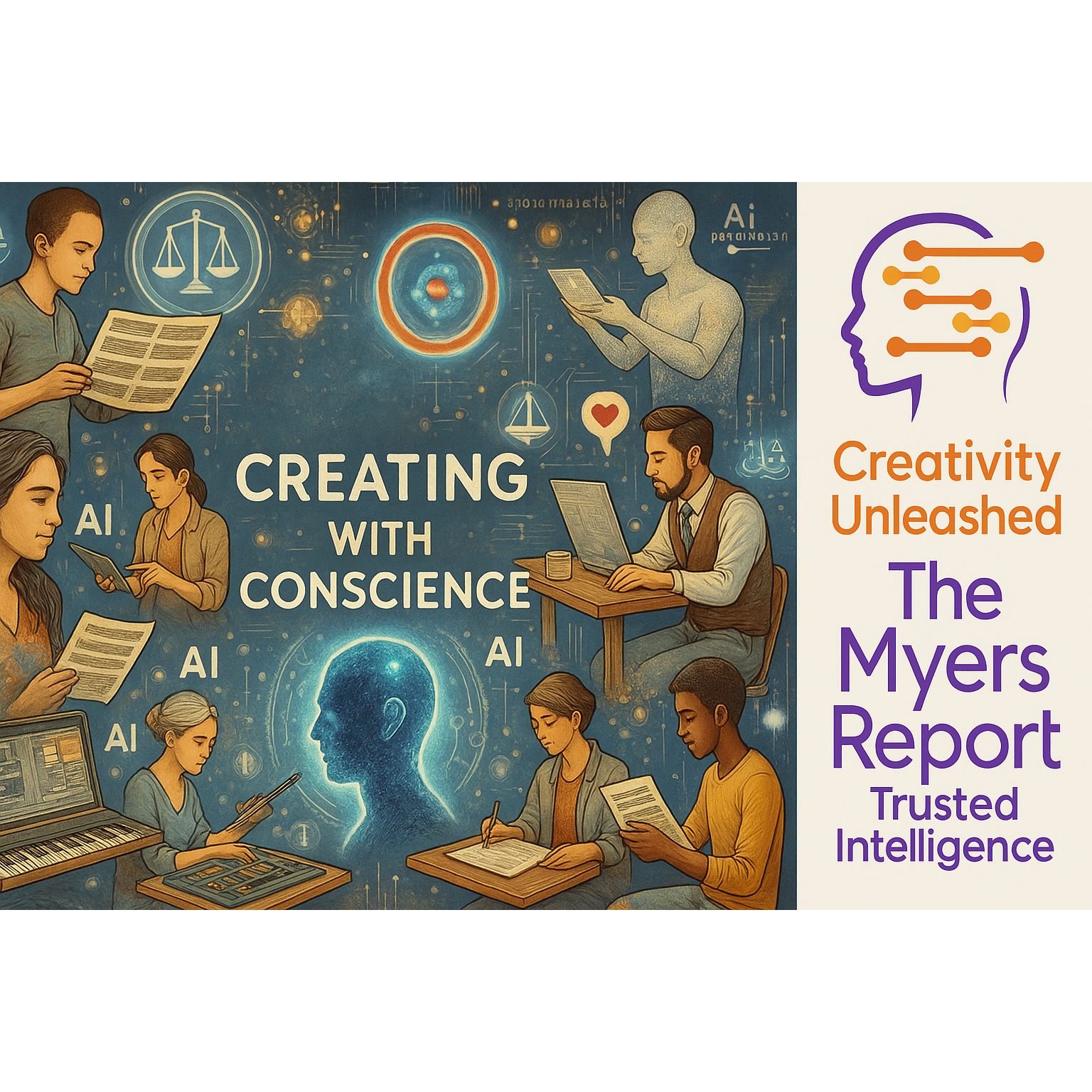
AI is transforming creativity -- but are we guiding it with conscience? Bonus free content for our subscribers.

With algorithms increasingly shaping what we see, say, and sell, the following condensed and edited excerpt fromCreativity Unleashed: How AI Can Supercharge Your Ideasprovides a blueprint for marketers, media professionals, and creatives navigating the ethical terrain of AI.Creating with Consciencedives into the real-world practices that ensure AI doesn't just accelerate output but amplifies values. From safeguarding authenticity to designing with inclusion and transparency, this chapter is a guide to using AI responsibly and creatively. Read on for an overview of the principles that matter most. The full 350-page tutorial is packed with tools, tips, and exercises, available now in softback and eBook ($2.99) at Amazon.Amazon.com: Creativity Unleashed How AI Can Supercharge Your Ideas: Practical Tips, Tools & Ideas for Everyone eBook : Myers, Jack: Kindle Store
As AI becomes a core partner in marketing, advertising, and content creation, it brings enormous promise -- and real responsibility. It can accelerate workflows, amplify voice, and generate new perspectives. But if used uncritically, it can also flatten originality, reinforce bias, and erode trust. For media and marketing professionals, the challenge is clear: How do we innovate with AI while preserving authenticity, inclusion, and ethical integrity?
This is not just a tech issue. It’s a leadership issue. A brand issue. A trust issue.
Let’s break it down.
Authenticity Isn’t Optional: Keep Your Voice Intact
AI excels at speed, pattern recognition, and data synthesis -- but the creative spark remains human. Your judgment, emotional intelligence, and intuition are what differentiate impactful work from algorithmic repetition.
Best Practice: Define your creative intent before using AI. Are you brainstorming headlines, shaping a brand story, or fine-tuning visuals? Set clear boundaries. Let AI support you, not replace you.
Try This:
- Write a personal “creative values” statement -- your North Star for originality and impact.
- Use AI to generate rough alternatives -- but always refine outputs through your brand voice and human lens.
- Ask: Does this feel like my work? Would I stand behind it in a pitch?
Bias Isn’t Neutral: Build Inclusive AI Practices
AI systems are trained on vast historical data, which means they carry the biases of that data -- racial, gender, geographic, and aesthetic. Left unchecked, these biases show up in creative outputs: stereotyped visuals, non-inclusive language, underrepresented identities.
Why It Matters: In a diverse consumer landscape, inclusion is table stakes. Biased creative isn’t just risky -- it’s bad business.
What You Can Do:
- Evaluate AI-generated images and copy for patterns of exclusion.
- Favor AI tools trained on diverse datasets or customize your inputs to reflect inclusive values.
- Perform regular “bias audits” on campaign content -- checking representation, roles, language, and framing.
Pro Tip: Build a “Bias Checklist” into your creative review process. Treat it like spellcheck for equity.
Transparency Builds Trust: Disclose AI’s Role
Audiences today want authenticity -- not just in messaging, but in method. If AI played a role in shaping content, say so. Whether it's an AI-written draft, an image prompt, or a voice synthesis, transparency creates clarity and deepens trust with clients, collaborators, and the public.
Why Disclosure Matters:
- Hiding AI use can backfire. It can make human-crafted work seem disingenuous or manipulative.
- Clarity fosters credibility: It shows respect for the audience’s intelligence and curiosity.
Actionable Tips:
- Create a standard disclosure statement (e.g., “AI-assisted image generation using XYZ tool, refined by our team”).
- Distinguish between human and AI contributions in campaign credits or client decks.
- Share the why behind your AI use. Explain how it enhanced your work and where human creativity made the difference.
Purpose Isn’t Peripheral: Use AI to Amplify Social Good
The most powerful marketing today isn’t just persuasive -- it’s purposeful. AI can accelerate that mission when used consciously. Whether elevating underrepresented voices, supporting sustainability campaigns, or driving access in education and healthcare, AI-enhanced creativity can serve something larger.
Industry Examples:
- Conservation: AI image analysis to track endangered species in visual campaigns.
- Cultural Preservation: AI used to transcribe and archive Indigenous stories and languages.
- Accessible Learning: AI-generated learning tools adapted for neurodiverse students and global learners.
What This Means for You:
Think beyond the campaign. Ask how each project might contribute to cultural awareness, representation, or lasting social value. Purpose isn't just good ethics -- it's good strategy.
Lead with a Code: Create Your Ethical AI Framework
Just like brand guidelines define your voice, an ethical AI framework defines how you integrate technology with integrity. It doesn’t have to be complicated. Start with these three components:
Core Values
Define what matters in your work -- authenticity, equity, transparency, creativity, accountability. Use them to guide AI use and evaluate outputs.
Usage Boundaries
Decide where and how you will -- and won’t -- use AI. For example, avoid using AI to replicate sensitive cultural imagery or emotional expressions without human oversight.
Social Impact Lens
Before launching a campaign or publishing content, ask: Does this reinforce empathy? Does it represent humanity with dignity? Could it do harm -- or could it inspire change?
Small Shifts, Big Impact: Conscience in Practice
Even simple actions can reframe your relationship with AI:
- Creative Filtering: Treat AI like a junior partner. Accept ideas, question assumptions, and reshape outputs to reflect human depth.
- Diversity Review: Run every AI-generated asset through a lens of identity, geography, age, and representation. Who’s visible? Who’s missing?
- Feedback Loops: Invite diverse perspectives to review AI-enhanced work. You’ll uncover blind spots -- and strengthen connection.
- Disclosure Templates: Bake AI transparency into your content strategy and client communications.
These practices don’t slow you down. They make your work smarter, safer, and more resonant.
In Summary: AI Doesn’t Make the Work Ethical. You Do.
As media professionals, marketers, and creatives, we sit at the intersection of influence and innovation. AI gives us new tools -- but it’s our conscience that determines how we use them.
When we prioritize values alongside velocity, we create more than campaigns. We create culture.
We don’t just design outputs. We design futures.
And the future demands creators who lead not just with imagination -- but with intention.
The Call to Action
The future of creative leadership lies in co-intelligence: human + machine, guided by conscience. As you integrate AI into your process, ask yourself:
- What kind of world is my creativity shaping?
- Who benefits?
- What values am I amplifying?
Let AI sharpen your craft. But let conscience define your impact.

Jack Myers
With over five decades of experience in corporate leadership, B2B research, management insights, and technological trends, Jack Myers is a visionary leader and a trusted source for guidance and preparation as generative AI and machine intelligence dominates …