
Fallout, Season 2 Review: A Bigger World That Loses Focus
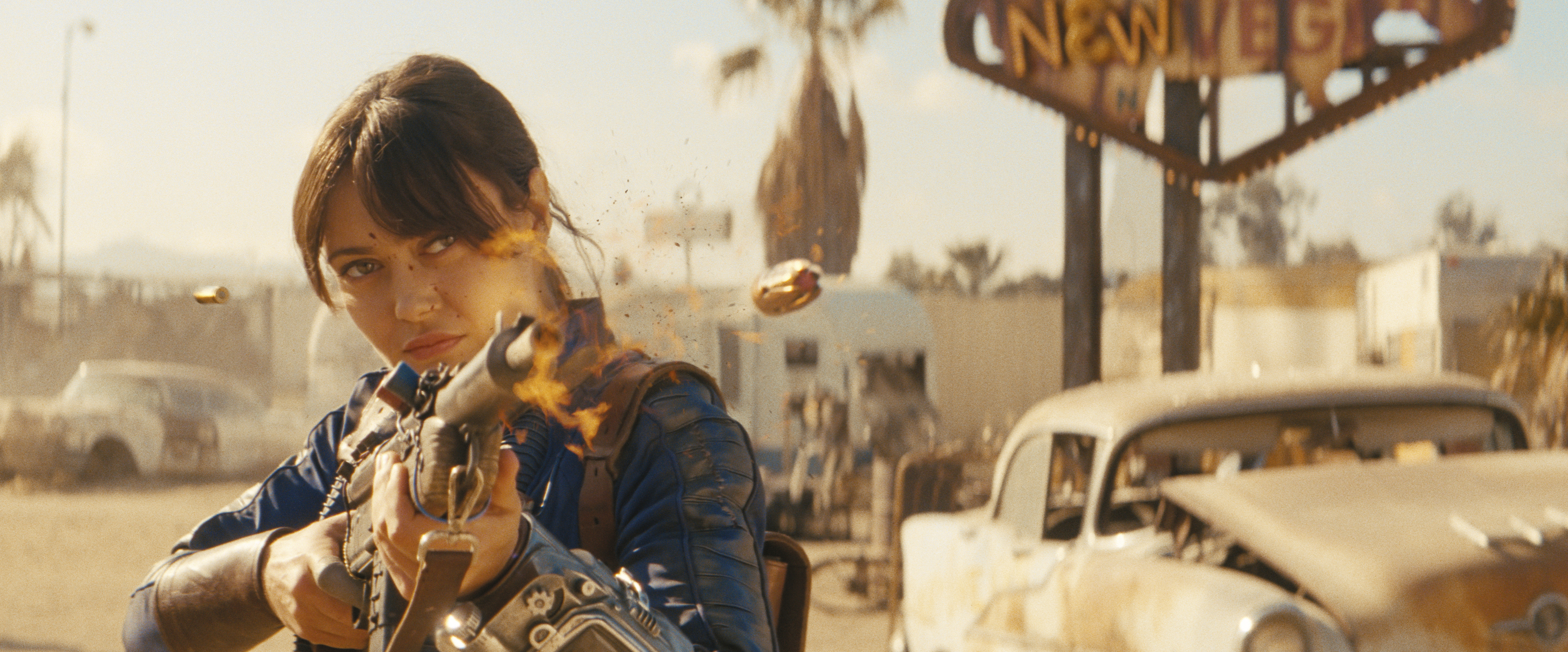
Few could argue that when Fallout premiered on Prime Video in April 2024, that it was one of the most impressive video game adaptations in recent memory. Showruners Geneva Robertson-Dworet & Graham Wagner brilliantly balanced the series’ sprawling lore with character-driven storytelling, managing to introduce audiences to a vast alternate history and post-apocalyptic world while grounding the narrative in three complex and compelling protagonists.
Season two, which streams its final episode February 3 on Prime Video, returned to the wasteland with a larger scope and greater ambition. But while the production values are bigger and the universe continues to expand, the storytelling that made the first season so effective becomes frustratingly scattered. The result is a season that remains entertaining but ultimately feels like a step down from its predecessor.
At the center of the story is still Lucy MacLean, played with warmth and determination by Ella Purnell. After learning in the first season that her father Hank MacLean—played by Kyle MacLachlan—played a role in the destruction of a rebuilt civilization following the nuclear war, Lucy continues her journey across the wasteland searching for answers.
Her quest for justice is one of the most compelling narrative threads of the season, especially as Lucy wrestles with the complicated reality of loving someone who may have helped shape the brutal world she now inhabits. Purnell continues to deliver a performance that blends idealism with growing emotional resilience, allowing Lucy to evolve without losing the optimism that made her so appealing in the first place.
Alongside Lucy is the enigmatic bounty hunter known as The Ghoul, played with effortless charisma by Walton Goggins. Once a pre-war actor named Cooper Howard, the character remains one of the show’s most fascinating creations. The season expands his backstory through flashbacks that explore his connections to powerful figures and the events leading up to the bombs.
Meanwhile, Aaron Moten’s Maximus continues navigating his uneasy relationship with the Brotherhood of Steel. Once defined by insecurity and moral uncertainty, Maximus begins to show signs of genuine leadership as the season unfolds. Moten adds new layers to the character, making his slow transformation one of the more satisfying arcs in the series.
If the performances remain strong, the storytelling this season struggles under its own weight.
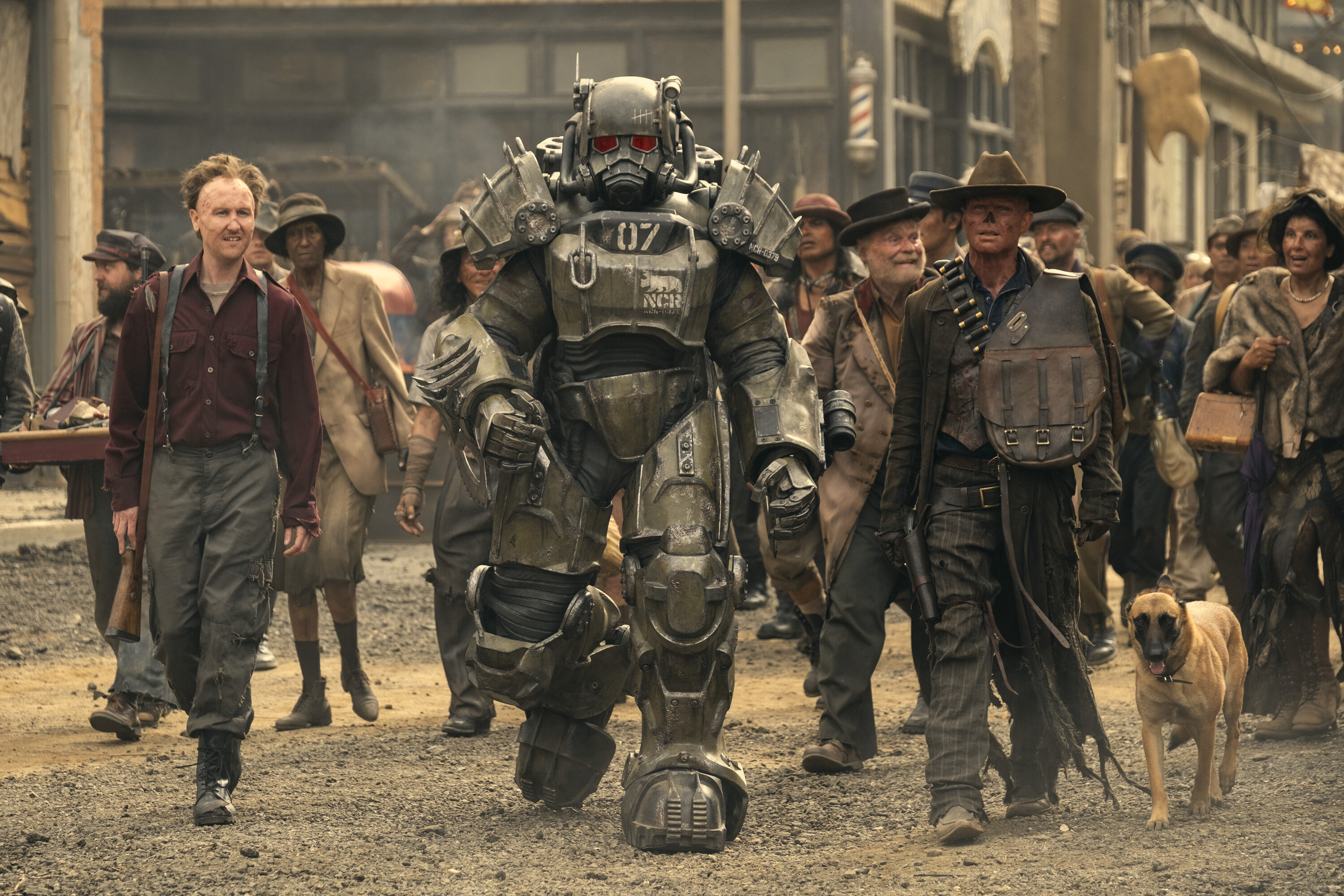
Season two introduces an overwhelming number of plotlines, factions, and narrative threads, many of which never fully develop before the show jumps to something else. Instead of maintaining the clear narrative structure that guided the first season—where Lucy, Maximus, and The Ghoul each carried distinct storylines that gradually converged—the second season spreads its attention across too many characters.
The result is a season that feels simultaneously rushed and oddly uneventful.
Important developments often pass by quickly, while other subplots linger long past the point where they feel necessary. Some arcs seem designed primarily to set up future seasons rather than provide meaningful payoff within the current one. In serialized storytelling, planting seeds for future stories can be effective—but when too many threads remain unresolved, the overall narrative begins to feel incomplete.
Ironically, despite everything happening on screen, the season rarely builds the same momentum or emotional impact that made the first season so satisfying.
Where the show undeniably succeeds is in expanding the visual and geographic scope of the Fallout universe. Much of the second season moves beyond the underground vaults and barren desert landscapes that dominated the first installment. The story’s shift toward New Vegas introduces a richer environment and a broader sense of civilization struggling to reemerge in the aftermath of nuclear war.
The recreation of post-apocalyptic Las Vegas is particularly striking. The production design remains among the strongest aspects of the series, with intricate sets, carefully crafted costumes, and densely populated scenes that bring the wasteland to life. Flashbacks to the city before the bombs fell are especially lavish, filled with vibrant period detail that recalls the visual elegance of The Marvelous Mrs. Maisel.
The season also introduces one of the franchise’s most iconic threats: the terrifying Deathclaws. Their presence adds genuine danger to the wasteland and provides several of the season’s most suspenseful moments.
Despite the expanded scope, several promising elements feel underutilized. One of the most intriguing additions this season is Justin Theroux as Robert House, the powerful CEO of RobCo Industries and a major figure in the lore of Fallout: New Vegas. Initially, his introduction suggests a fascinating exploration of wealth, technology, and power in the Fallout universe. Yet by the end of the season, House is reduced to a largely distant presence—a kind of ghost in the machine rather than a driving force in the story. For a character with such deep roots in the franchise’s mythology, the limited use of his storyline feels like a missed opportunity.
Other twists land with similar underwhelming impact. A late reveal involving the MacLean family, suggesting that a character we’ve followed since the first season is actually the family matriarch, adds surprisingly little intrigue to the broader narrative. Instead of deepening the mystery, the moment arrives with minimal buildup and fades quickly into the show’s already crowded storyline.
The season closes on a quieter note as Lucy and Maximus stand together looking toward the uncertain future of the wasteland. The moment carries echoes of the hopeful conclusion of Star Wars: The Empire Strikes Back, a pause before the next chapter of a much larger conflict.
It’s a fitting image for a series built on the idea that hope can survive even in the most devastated landscapes.n Still, the finale doesn’t quite deliver the emotional payoff the story seems to be building toward. After a season packed with narrative detours and sprawling side quests, the central storyline never fully regains the focus that made the first season so effective.
Season two of Fallout is far from a failure. The performances remain strong, the world-building continues to impress, and the series still captures much of the dark humor and strange beauty that define the Fallout universe.But compared to the tight storytelling and carefully balanced structure of its debut season, this follow-up feels less cohesive. Like wandering too far from the main quest in one of the games that inspired it, the show occasionally loses sight of what matters most.
With its talented cast and richly imagined world still firmly in place, there’s every reason to believe season three could restore the focus that made Fallout such a standout in the first place.

Juan Ayala
Juan Ayala is a Brooklyn-based entertainment journalist, podcast producer and host and serves as MediaVillage's Director of Content Management. In 2020, he launched his first podcast Actors With Issues, a "self-help podcast for actors, by actors&quo…