
The Intersection of Musk’s DOGE Initiative, AI, and The Tao of Leadership: A Blueprint for AI-Era Success
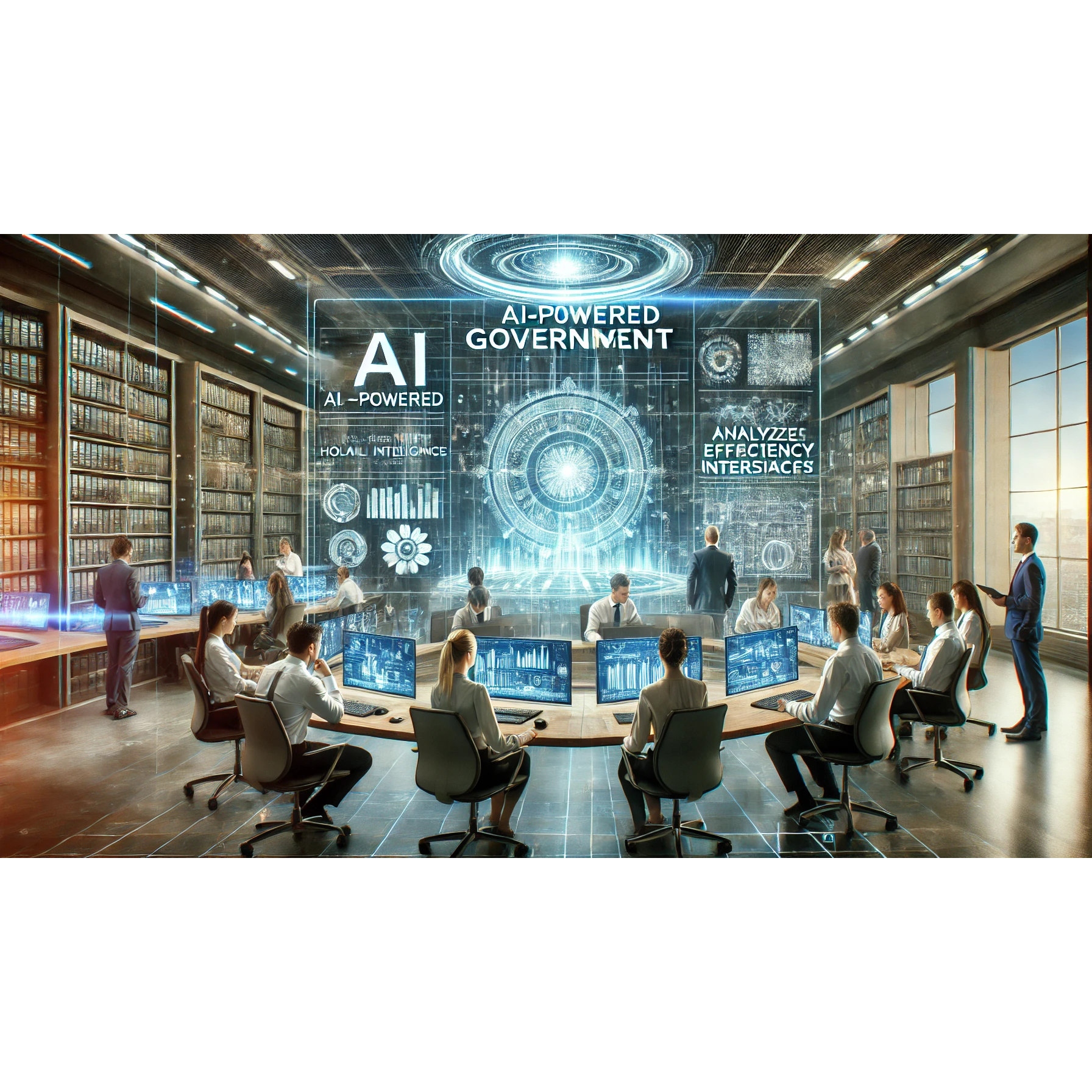
Elon Musk’s Department of Government Efficiency (DOGE) is making waves in Washington by doing what few government agencies have dared -- using AI to take a hard look at inefficiency, redundancy, and bureaucratic waste. While still in its early stages, DOGE represents a radical experiment in applying machine intelligence to streamline governance. Musk’s approach is as bold as it is controversial, drawing both admiration and deep skepticism.
At its core, DOGE embodies a key principle of AI-era leadership: breaking down silos and consolidating redundant structures. Yet where it risks faltering is in its perceived prioritization of efficiency over the humanistic qualities that make organizations not just productive, but resilient. AI can diagnose inefficiencies, but true leadership ensures that the solutions create lasting value -- balancing innovation with ethical responsibility, technological acceleration with human well-being.
In The Tao of Leadership: Harmonizing Technological Innovation and Human Creativity in the AI Era, I outline eight principles that guide organizations through AI-driven transformation. DOGE’s foundational work aligns with many of these principles, but to reach its full potential, it must embrace all of them -- particularly those that emphasize sustainable, human-centered progress.
Where DOGE Gets It Right
Breaking Down Silos and Streamlining Governance
Bureaucracy is often slow, fragmented, and resistant to change. DOGE’s emphasis on eliminating redundancy across government departments reflects an urgent need for reform. AI offers an unprecedented opportunity to reimagine how agencies operate -- identifying duplicative processes and automating routine tasks to create a more responsive system. In this regard, DOGE is setting a precedent that other institutions, including corporations, should study carefully.
Embracing Rapid Innovation
Musk’s model of recruiting young AI engineers -- some as young as 19 -- to lead efficiency initiatives is emblematic of a larger shift: moving away from rigid, experience-based hierarchies toward a knowledge-based meritocracy. This reflects a broader trend across industries, where AI fluency is becoming more valuable than tenure. Organizations that resist this shift risk falling behind in an era where innovation cycles are accelerating.
Redefining the Talent Pipeline
By empowering young technologists to lead efficiency efforts, DOGE is challenging conventional leadership structures. While this model has risks -- experience still matters -- its success would send a powerful message to industries struggling to integrate AI: the most valuable insights will increasingly come from those who have grown up in a world shaped by machine intelligence.
Where DOGE Must Evolve
For all its merits, DOGE risks following a familiar path -- one where efficiency becomes an end in itself rather than a means to a more effective, sustainable system. If it fails to account for the human impact of its reforms, it could face the same resistance that has plagued past attempts at streamlining government.
Balancing AI-Driven Efficiency with Ethical Responsibility
AI is a powerful tool for identifying waste, but what happens to the human workforce in the process? What new opportunities are created as old roles disappear? Without addressing these questions, efficiency can become synonymous with job elimination, eroding trust and triggering backlash. True leadership in the AI era means ensuring that technology-driven reforms create pathways for displaced workers to thrive in new roles, rather than leaving them behind.
Prioritizing Emotional Intelligence and Empathy
The more AI takes over routine tasks, the more critical human qualities -- empathy, ethical judgment, and creative problem-solving -- become. Right now, DOGE risks being perceived as a purely technocratic initiative, disconnected from the people it affects. Unless it actively integrates emotional intelligence into its strategy, it will face growing resistance. Leaders must ensure that employees and citizens feel part of the transformation, rather than collateral damage in an efficiency drive.
Moving from Disruption to Sustainable Reinvention
Disruption alone is not a strategy. Organizations that succeed in the AI era are those that don’t just dismantle outdated systems but build new ones that are adaptable, inclusive, and resilient. If Musk wants DOGE to be more than an efficiency experiment, he must rethink how collaboration happens -- not as a static partnership between government and industry, but as a continuously evolving framework that integrates AI, human ingenuity, and organizational priorities in new and transformative ways.
The Opportunity to Lead with Vision
The AI revolution is not just about making things faster and more efficient. It is an opportunity to redefine leadership itself. In a world where machine intelligence can handle much of what once required human effort, the most successful leaders will be those who balance AI’s raw power with the irreplaceable strengths of human creativity, ethical judgment, and emotional intelligence.
Musk has a chance to make DOGE a model for AI-driven leadership done right. But to do so, it must go beyond efficiency and embrace a philosophy that harmonizes technological innovation with human purpose. If it succeeds, it won’t just be a case study in AI-powered governance -- it will set a new precedent for leadership in the digital age, proving that the best use of AI isn’t just to streamline operations, but to build a more intelligent, humane, and resilient future.
The challenge facing DOGE -- and any organization seeking to harness AI for systemic transformation -- is not just about eliminating inefficiencies but ensuring that progress is sustainable, inclusive, and human-centered. As we stand at the intersection of machine intelligence and leadership, the real measure of success will not be how much we streamline, but how well we integrate AI with the irreplaceable qualities of human creativity, ethical judgment, and emotional intelligence.
In The Tao of Leadership: Harmonizing Technological Innovation and Human Creativity in the AI Era, I outline a blueprint for leaders navigating this new frontier. If Musk and others leading AI-driven initiatives embrace these principles, they won’t just drive efficiency -- they will create a model for intelligent, human-centered leadership that will define the AI era.
To explore these ideas further and discover the full blueprint for AI-era leadership, I invite you to order The Tao of Leadership today.

Jack Myers
With over five decades of experience in corporate leadership, B2B research, management insights, and technological trends, Jack Myers is a visionary leader and a trusted source for guidance and preparation as generative AI and machine intelligence dominates …