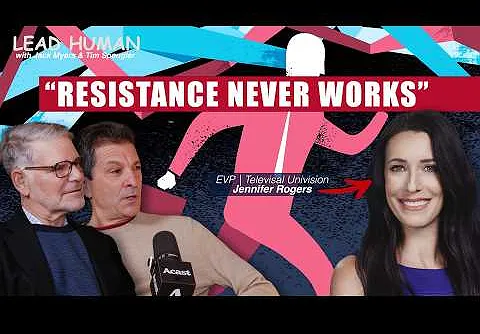
From Automation to Emotion: Jennifer Rogers on Where Real Market Power Lives. Podcast.
Watch or listen to the Lead Human podcast with Jennifer Rogers: Sustained success is less about mastering tools and more about mastering adaptation, relationships, and purpose.


Are Super Bowl Ratings Becoming More Volatile?
For decades, ratings for the Super Bowl remained stable throughout the game. You had a massive audience, modest swings depending on game script, and a predictable dip as the game was closing. That has changed in recent years as the event has become truly cross-platform and the increasing presence of a second screen has provided an easy way for people to check out of an uninspiring game. Based on the minute-by-minute data of the past four Super Bowls, it is becoming clear that the game’s competitiveness has more impact on viewership than ever. The game script isn’t just affecting whether you watch, but also how you watch. This is causing marketers to rethink how they approach the Super Bowl as an advertising platform.


The Measurement Crisis of the AI Media Era
For more than two decades, digital media has treated non-human traffic as something to eliminate. Bots, fake impressions, and automated engagement were classified as invalid traffic (IVT), filtered out to protect advertisers and ensure that reported metrics reflected real human attention.

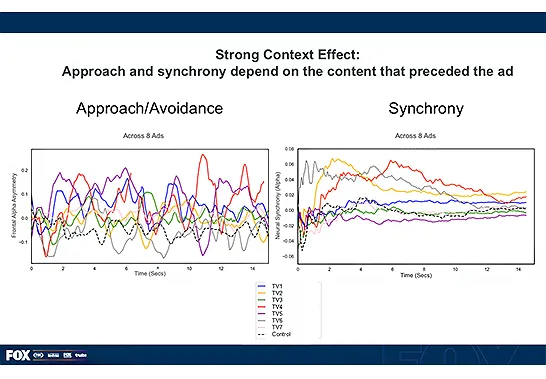
Wharton AI/Neuroscience: A Large Part of the Power of the Creative Comes from the Context
Wharton has merged its Neuroscience Department into its AI Department for maximum cross-fertilization between these two related cognition sciences. “My” company RMT is in a long-range partnership with these teams to bring new marketing platforms to marketers, aimed at a major infusion of science to increase year over year (YOY) brand sales revenues which have slowed for many major brands in the past dozen years or so.


Lead Human with Aaron Walton: Culture, Precision, and Human-Centered Growth (Video)
Millennials, Gen Z, and now Alpha… they see color, they celebrate it. They are not going to tolerate businesses or brands that aren’t celebrating who they are.

What Brands Can Learn from Fashion Week: From Paris to Milan to New York
Fashion Week is the rare global ritual where imagery and fantasy becomes truly immersive and touchable. Paris delivers the cathedral version of taste, all lineage and gravitas. New York replies with velocity, pluralism, and hustle. Milan delivers proof, not poetry—the kind of craftsmanship that makes “luxury” measurable, yet magical. Across the iconic fashion meccas, you get a masterclass on how modern desire is manufactured, refreshed, and made to feel inevitable.

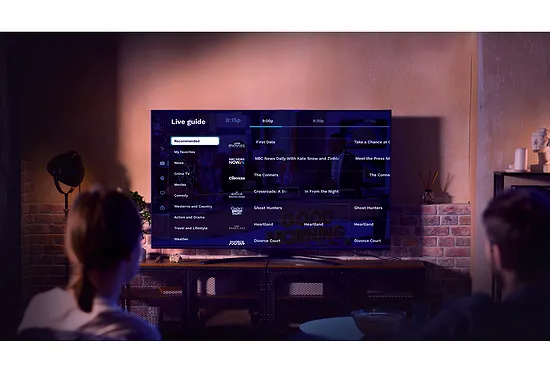
Rethinking Premium TV: Why Buyers Should Take a Fresh Look at FAST
As viewing habits continue to evolve, one thing is increasingly clear: free ad-supported streaming TV (FAST) has become an essential part of how some audiences watch television today. FAST may have started as a complement to subscription streaming, but it has quickly become a cornerstone of the modern TV experience – and a massively undervalued one at that. It offers viewers a familiar, lean‑back format filled with curated channels, live programming, and premium entertainment.


Is 50-Cents on the Dollar Good Enough for You?
When an advertiser spends a dollar on linear television, virtually that entire dollar drives impressions that potentially reach the consumer.
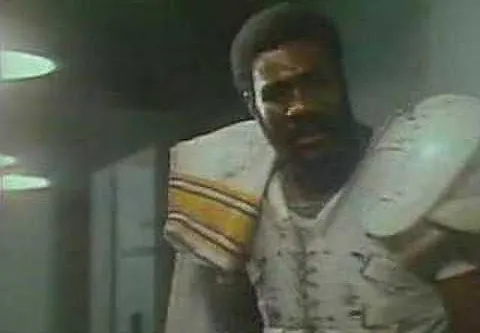
“Mean” Joe Greene Coca-Cola Campaign Remains the Holy Grail of Super Bowl Ads
The Super Bowl continues to be the most powerful mass cultural moment in marketing -- and when executed correctly, it is the Holy Grail of Marketing in motion.


AI Advertising Doesn’t Have to Suck
Have you ever heard anyone say "They're launching ads? That's going to make it better!"? Me neither.


Privacy Compliance Isn’t a Legal Checkbox -- It’s Marketing Infrastructure
Privacy is one of those topics everyone knows they should understand better -- right up until it becomes urgent. And right now, it’s urgent.

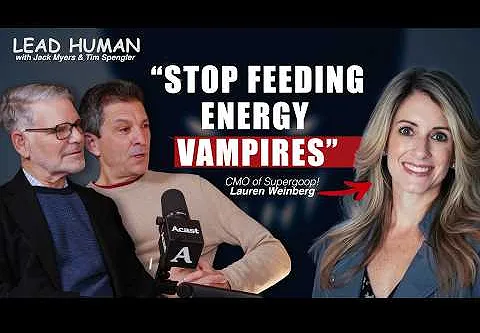
Lead Human with Supergoop's Lauren Weinberg: Five Career Truths for Sustaining Long-Term Success (Video)
For all those navigating their own careers, Lauren offers tools, tips, and ideas that stand out as both practical and deeply human. View or listen to Lead Human with Jack Myers and Tim Spengler

Many Brands Are Using Very Low Reach Campaigns
I am digging deeper into the over a hundred thousand different campaigns in the Nielsen ONE database covering linear, CTV, mobile, and computer. Nielsen, being a consulting client of mine, I have access to all this information, and Nielsen encourages me to find and publish useful empirical generalizations that will help marketers.
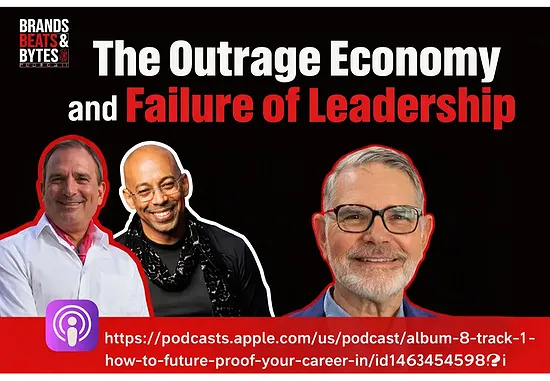
The Outrage Economy: When Human Crises are Monetized, Leadership Has Failed
From Scott Galloway’s monetization of masculinity to AI fear-marketing and performative leadership, Brands, Beats & Bytes asks who really benefits when problems are ignored until they sell. Link below

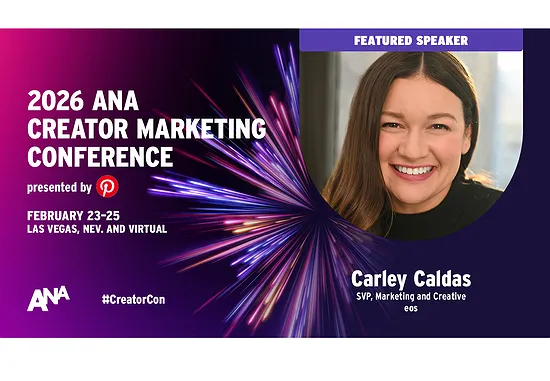
On Creator Marketing: A Conversation with Carley Caldas of eos by Bill Duggan, Group EVP at ANA
In advance of the upcoming Association of National Advertisers' Creator Marketing Conference in Las Vegas, I spoke with Carley Caldas, Senior Vice President, Marketing & Creative at eos. There she oversees all areas of marketing, including brand strategy, creative, advertising, consumer PR, social media and creator marketing. She has scaled the brand’s TikTok following to 1.3M+ and reshaped marketing around a creator- and community-centric model that celebrates authentic, diverse voices. That shift has fueled viral moments, built real loyalty and fandom, and delivered measurable business results. Carley shared her views on issues including agency models for influencer marketing, KPIs, opportunities for the industry, and more.

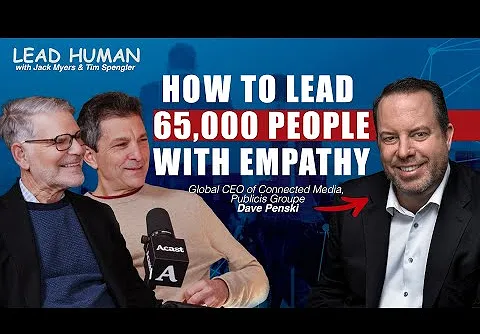
Publicis’ Dave Penski’s Six Rules for Leading Human (Video)
A rare inside look at how trust, clarity, and humanity drive performance at the highest level
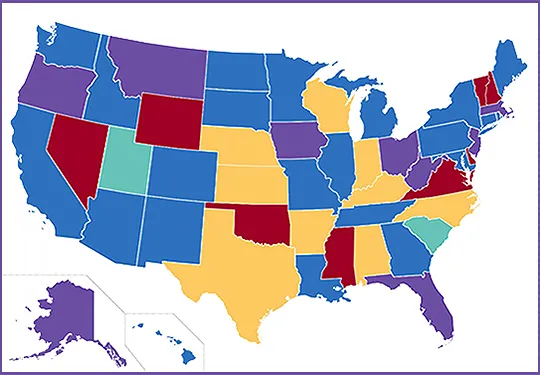
National Measurement Sophistication Is Now Flowing into Local
Local television measurement expert Patti Cohen recently created a CIMM report comprehensively documenting the data gaps existing in most local television audience measurement as compared with what is available to national buyers and sellers. One of my consulting clients is Nielsen, and I wanted to make sure that Nielsen was offering these innovations locally as soon as possible. What I found out is that around 70 stations are already getting these types of data from Nielsen and that all stations could be getting them too, as the cost is not in line with the old image of Nielsen but appears to be in the general ballpark with the aggregators and repackagers of big data.
Influence Over Impressions: The Real Power of Influencer Marketing in B2B
For years, influencer marketing has been dismissed by many B2B marketers as a B2C distraction -- too flashy, too shallow, and too difficult to measure. Programs that chase impressions and prioritize follower counts struggle to prove value.

Beyond the Scoreboard: Leveraging Sports Platforms to Destigmatize Mental Health
DJ Perera is Chief Media Officer, The Ad Council. She will be speaking at the ANA Media Conference, March 25-27 in Nashville, TN. ANA Senior Vice President Brand & Media Julie Weitzner recently sat down with DJ for a pre-conference interview to discuss how sports storytelling, and the media ecosystem that supports it, can destigmatize mental health and move culture forward.

Building Upon Human Intelligence
AI is wonderful and can be used to improve the quality of life as well as economic growth. It can also be used to accelerate the race for the bottom that social media enabled by providing a mass medium for psyops techniques used for millennia and scientifically perfected during WWII. How we use AI depends on HI – human intelligence – what the intelligence agencies call HUMINT.