
Building Upon Human Intelligence
AI is wonderful and can be used to improve the quality of life as well as economic growth. It can also be used to accelerate the race for the bottom that social media enabled by providing a mass medium for psyops techniques used for millennia and scientifically perfected during WWII. How we use AI depends on HI – human intelligence – what the intelligence agencies call HUMINT.

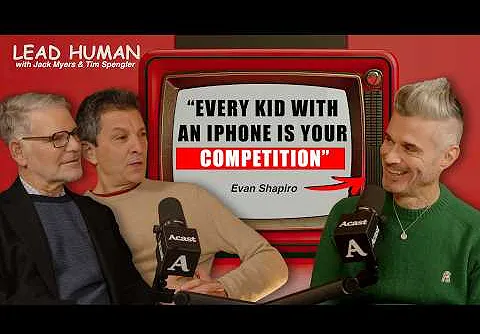
Lead Human Podcast Premieres with Evan Shapiro: Why Mapping Media Is Really About Mapping Humanity (Video)
Lead Human with Jack Myers & Tim Spengler premieres today. Link below to your preferred podcast platform.

Brand Preference When the UI Disappears
For the last decade, marketers have obsessed over the same set of levers: improve the site experience, refine the funnel, optimize the media, personalize the journey -- all worthwhile. But agentic AI is about to re-wire the entire premise.

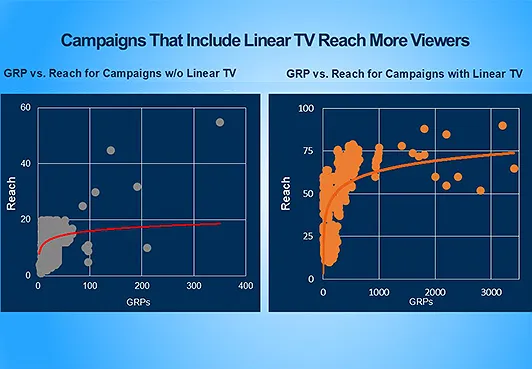
Meta-Analysis of 96,844 Recent US Advertising Campaigns
There are fascinating revelations emerging from this mammoth meta-analysis made possible by my consulting relationship with Nielsen and their enormous cache of cross-platform audience data in Nielsen ONE. All of these campaigns ran since January 1, 2024.

Unplugged: Tom Freston and the Human Era of Media
Unplugged is a human story about when leadership was personal, culture led, and courage still mattered.

Cannes Lions & Cannes Film Festival: How AI Is Transforming the Workflow of Creative Imagination
Each year in Cannes, two iconic events capture the artistry and craftmanship of the ultimate in storytelling. The Cannes Film Festival evaluates cinema as art -- its authorship, ambition, and cultural durability -- while the Cannes Lions International Festival of Creativity assesses creativity as a driver of attention, behavior, and economic return. Although these forums have historically represented different creative traditions, AI is forcing both to confront the same underlying question: how should work be designed when cognition and imagination itself become influenced by machines?

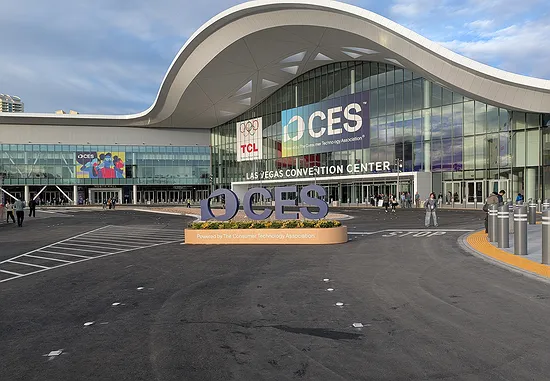
The Other CES - Agencies and Media World Go All-In on AI
While the rest of the world was focused on the robots, smartglasses, Micro-LEDs and e-Ink artwork at the CES venues of the Las Vegas Convention Center and Venetian Expo, the heart of the marketing world was at the Aria Hotel C-Space and the Cosmopolitan showcasing their AI efforts and announcing next generation advertising strategies.

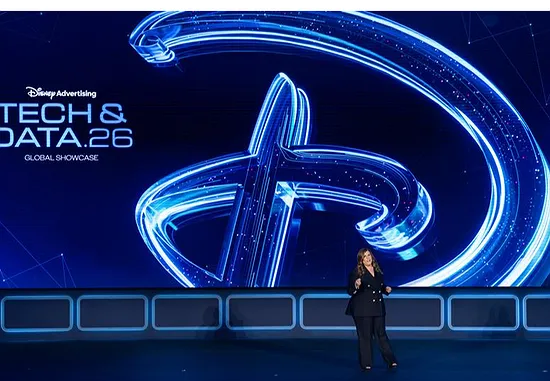
Disney’s First 2026 Upfront Declaration: It’s A AI-Generating World After All
Amid a wall-to-wall exposition of products and gadgets embedded with artificial intelligence, Walt Disney’s advertising sales force delivered its annual “Global Tech & Data Showcase” inside CES 2026 in Las Vegas. From opening video montage to closing video montage, this Upfront event and its Disney executive participants touted the ability to champion an emerging environment where thanks to AI, people not only watch TV, but they also use TV in advancing their daily lives.

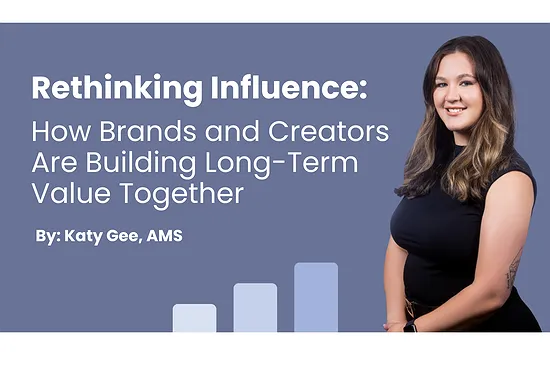
Rethinking Influence: How Brands and Creators Are Building Long-Term Value Together
The relationship between marketers and creators is changing, and brands are beginning look beyond macro influencers like Emma Chamberlain and Jake Shane. They have massive Gen Z followings and can generate viral moments, but partnering with them can be expensive. The focus is moving toward building sustainable relationships with smaller creators whose credibility, authenticity, and consistency can drive ongoing engagement. This ongoing evolution clears the way for partnerships with micro creators that build long-term brand equity.

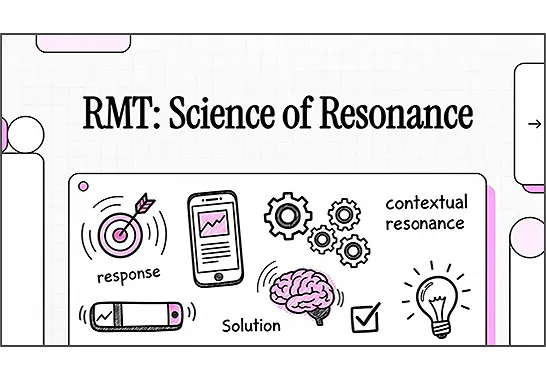
Number 5 Is Alive! Emergent Properties of AI
Short Circuit was the name of the movie in which the AI robot drone footsoldier became self-aware. Blake Lemoine is the name of the AI genius whom Google placed on leave after he posted his opinion that GPT is self-aware; Blake now works for a brilliant AI company called Soopra. Mary Shelley is the author of Frankenstein. Karel Čapek is the author and playwright of RUR. Isaac Asimov wrote the ethical rules for robots. Robert Heinlein speculated that with sufficient complexity, artificial brains could achieve self-awareness and what he called ego. Ray Kurzweil's The Singularity Is Near suggests that we may reach a point where AI evolves faster than we can control it. Latest evidence suggests that we have reached that point already.
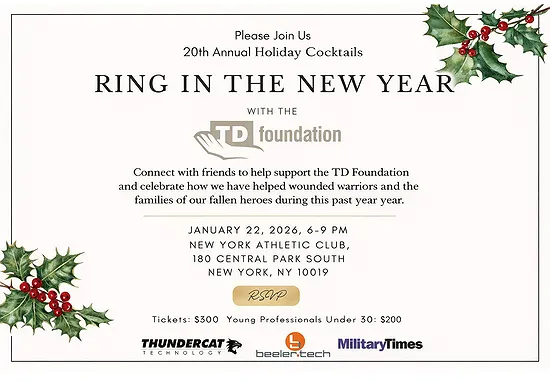
TD Foundation's Tom Deierlein: A Veteran's Journey of Fortitude and Giving Back
The Myers Report and MediaVillage are proud to support the TD Foundation. Ring in the New Year with TDF Holiday Cocktails Gala at the New York Athletic Club on January 22. The TD Foundation has been helping the children and families of wounded warriors and fallen heroes for 20 years.
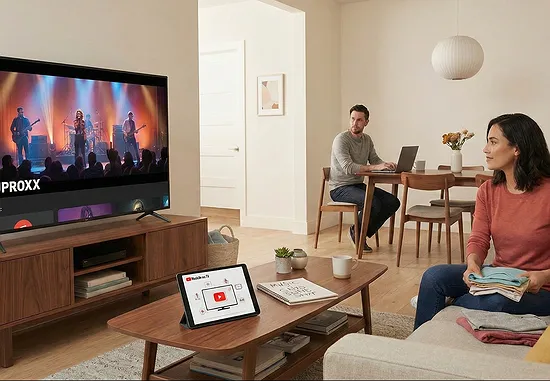
Music Videos Never Stopped Being TV -- Advertisers Just Forgot to Look
The industry loves repeating that YouTube is the No. 1 streaming platform on television. But when people explain why, the talking points almost always point to creators, Shorts, gaming, commentary, or podcasts. But that framing misses one of the biggest, oldest, and still wildly dominant viewing behaviors on YouTube’s TV app: Music videos. There is no major U.S. television network actively programming music videos anymore yet the audience for music-on-TV is larger than ever -- and it now lives on YouTube. While marketers obsess over creator culture, tens of millions of people turn on YouTube the same way previous generations turned on MTV -- as a constant, living-room soundtrack. And because the industry rarely categorizes this behavior as “CTV,” it has become one of the largest blind spots in modern media planning


Ed Martin's Top TV of the Year: 25 for '25
A noticeable number of television critics have in recent weeks started their Top Shows of 2025 columns by lamenting that it has been "a bad year for TV." But how could the word "bad" fit into a critique of a medium that started the year with Netflix's Adolescence and HBO Max's The Pitt and ended with the premiere of HBO Max's Heated Rivalry, Apple TV's Pluribus and the series finale of Netflix's Stranger Things -- while giving us the likes of Apple TV's The Studio, FX's Alien: Earth, a new Ken Burns documentary and the wildest-ever season of Comedy Central's South Park along the way?

Top Highlights of the Year for ANA’s B2B Practice
Here’s a quick look back as the B2B Practice sprints into 2026.

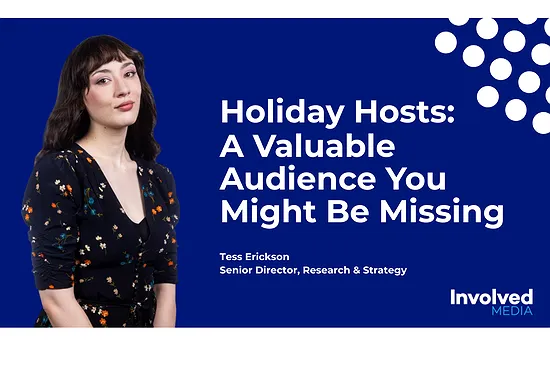
Holiday Hosts: A Valuable Audience You Might Be Missing
Come October, the high-value “holiday shopper” stays top of mind, but an important audience not to miss this season is the holiday host. From holiday decoration purchases, inspiration searching, and recipe-saving, you won’t want to miss what this audience is cooking up.

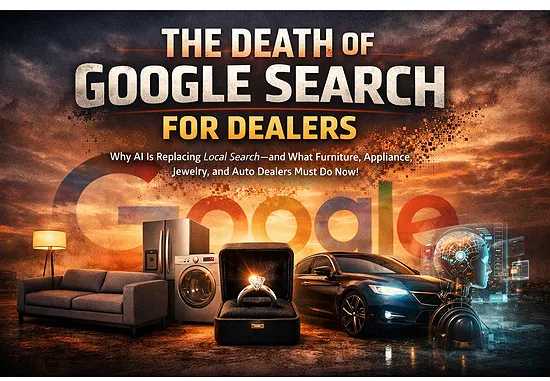
The Death of Google Search for Dealers
Why AI Is Replacing Local Search -- and What Local and Regional Marketers Like Those In Furniture, Appliance, Jewelry, and Auto Dealers Must Do Now... For decades, Google Search has been the single most important demand engine for local retail dealers.

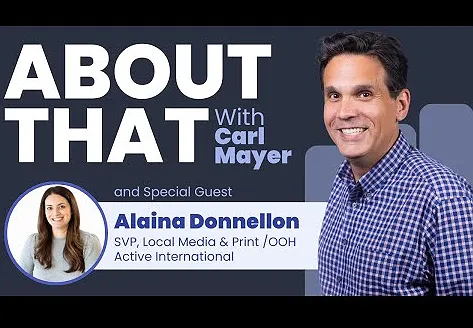
"About That with Carl Mayer:" Alaina Donnellon (Episode 10: Political Spending)
In this episode, Carl Mayer sits down with Alaina Donnellon, Senior Vice President Local Media at Active International, to discuss political ad spending projections for the 2026 midterms and what's driving the increased spending.

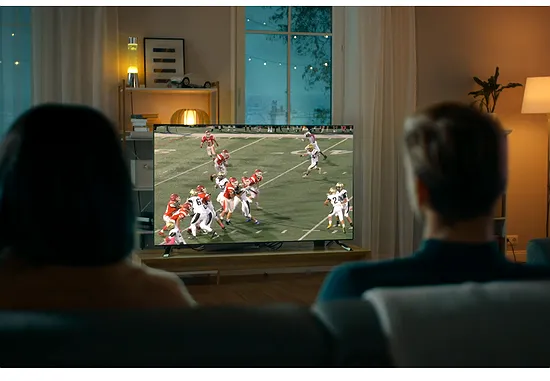
Local Advertisers are Competing with National Brands...and Winning (Video)
Thanks to advances in tech and AI, the playing field has been leveled for companies of every size to compete, especially in local advertising. According to Peter Jones, Vice President of Revenue at CTV advertising platform, Premion, small and midsize businesses that once couldn't afford premium streaming inventory or sophisticated targeting across CTV (connected TV), now have access to the same tools, data, and measurement capabilities as larger national brands.

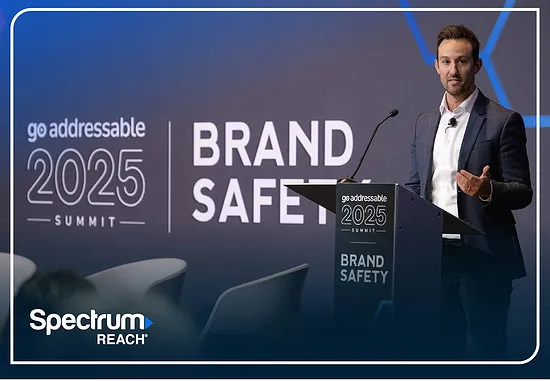
We’re in Our Addressable Era: The Age of Deterministic Identity in TV Advertising is Here
At the fifth-annual Go Addressable Summit in New York, industry leaders came together to discuss the future of TV advertising under the banner of “The New Age of Addressable and Deterministic Identity.” In every discussion, from identity resolution, to live sports, to outcomes measurement, one thing was clear: We are in our addressable era.
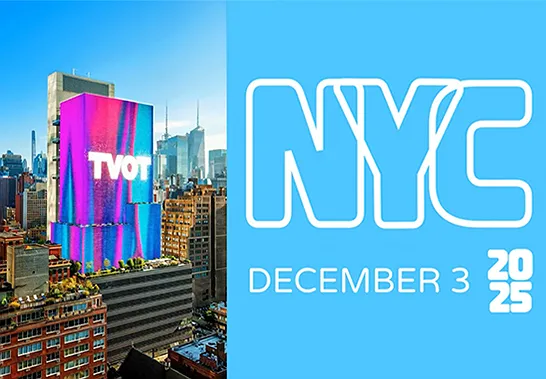
Television of Tomorrow Will Be Collaboratively Reinventive
That is my conclusion after participating as a panelist in the TVOT 2025 NY Show and attending many other panels. Two recurring themes stood out: an openness to reinventing oneself and one’s company, and a willingness to collaborate with traditional competitors.