The Most Important Panel of my Life
At the CIMM Summit this week, I had the honor of participating in a panel entitled “A Plan for Television’s Comeback” with Audrey Steele, President of RMT, Brad Seitter, Executive Vice President of TVB, and Todd Gordon, Co-Founder of Audyns. Why was this the most important panel of my life? As you can imagine, there is a story behind it.

Nadella, Cook, Pichai, Ardern: Harmonious Innovators Integrating Technology and Creativity
The following commentary is excerpted from Jack Myers’ new book The Tao of Leadership: Harmonizing Technological Innovation and Human Creativity in the AI Era, available at all booksellers. The Tao of Leadership has been honored with the Gold Medal for Business Leadership from the Global Book Awards.

What Media Buyers Value Most in 2025
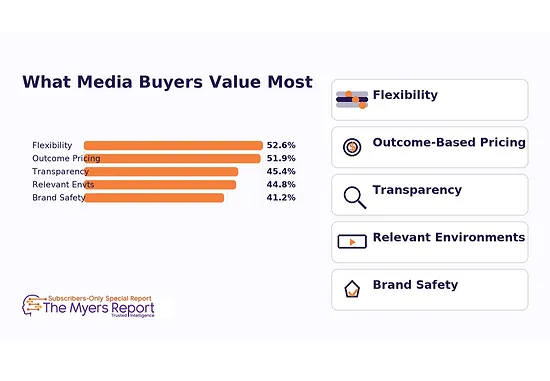
The results from The Myers Report 2025 Survey of Advertising Professionals are unambiguous: the attributes most likely to win RFPs and renewals are Flexibility (52.6%), Outcome-based pricing (51.9%), Transparency (45.4%), Relevant programming environments (44.8%), and Brand-safe environments (41.2%). In other words, buyers are signaling: help me adapt quickly, pay you for results, see exactly what I get, run in the right contexts, and guarantee safety. This aligns tightly with broader market currents in video and programmatic.
From Media Commodities to Co-Intelligence: Why 2007’s Warnings Still Define 2026’s Urgency
Jack Myers reflects on his 2007 interview with Joe Mandese, the principles he outlined nearly 20 years ago, and why leaders must finally abandon legacy business models or risk being left behind in the age of machine-human intelligence.
The Disease CPM-itis Has Been Allowed to Go Too Far
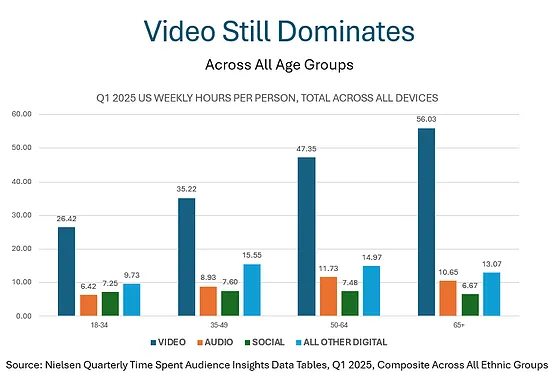
Although most estimates show that digital is 80% of global ad spend and growing that share each year, this does not reflect the way the population uses its time. Looking at Nielsen data in the U.S. in the graph above, we can see that adults of all ages spend much more time with video (~15% of which is digital shortforms) than with non-video forms of digital. (Note: audio includes traditional radio as well as streaming audio.)
Here’s What’s Happening IRL: Six Top Trends for 2025’s Second Half
Here’s a massive understatement: a lot has happened this year.

From Mad Men to Middlemen: The Destruction of an Industry
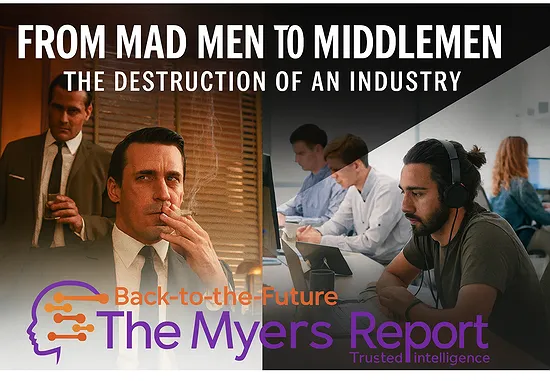
In my 1998 book Reconnecting with Customers in the Relationship Age, I wrote that the key to value creation in media and advertising would be “the degree to which sales organizations can facilitate processes that build direct and relevant relationships with customers in an era of increasingly automated exchanges.” At the time, online trading systems were still nascent, but the signals were clear: efficiency-driven technologies would transform how media was bought and sold. The future of the industry would hinge on whether companies leaned into commodity trading or value-based relationship building.
Jennifer Mamlet Named Chief Development Officer at the Ad Council
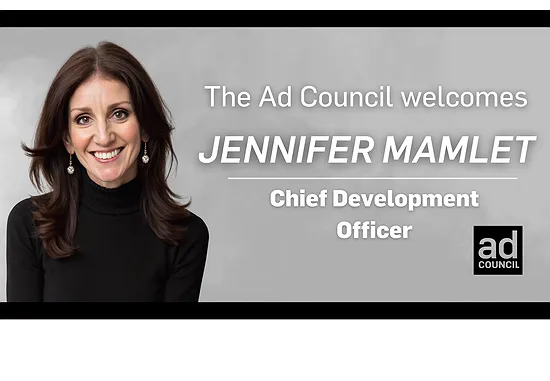
The Ad Council, America’s leader in using the power of communications to drive social impact at scale, announced on September 4th that Jennifer Mamlet is joining the organization as Chief Development Officer. She is returning to the organization, having previously served as Senior Vice President of Development until 2012. Most recently, Mamlet was Acting President and CEO of JCC Association of North America.
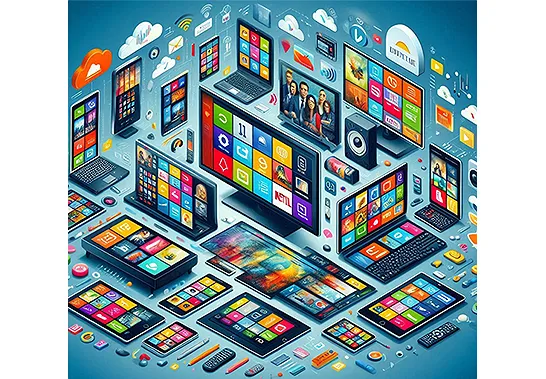
Gaining Back Some of That Lost Audience Size
The historical shift of video distribution technology to digital spawned exponentially more programs and content options than envisioned by the term Peak TV, and by breaking people’s habit patterns, splintered the splinters further, eroding the audience size of nearly every video channel.
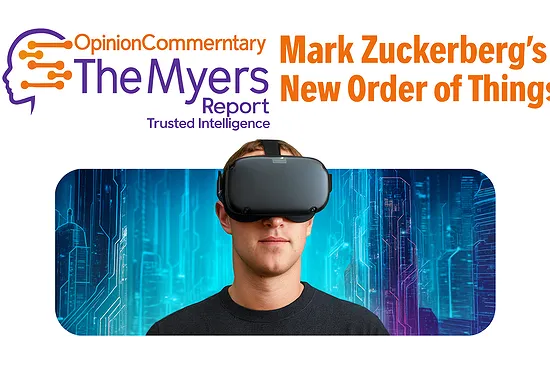
Mark Zuckerberg’s New Order of Things
The following commentary is excerpted from Jack Myers’ new book The Tao of Leadership: Harmonizing Technological Innovation and Human Creativity in the AI Era, available at all booksellers.
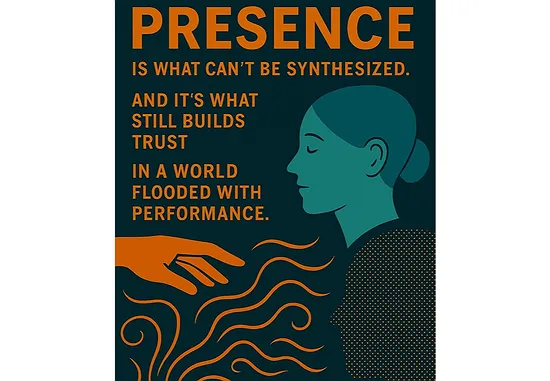
Presence is What Can’t be Synthesized
Presence is what can’t be synthesized. In an age where algorithms mimic our voices and machines replicate our productivity, the most powerful human differentiator is our ability to truly be here -- attuned, aware, and connected. Presence builds trust in ways performance alone cannot. When you show up with your full attention, you create the conditions for others to feel seen and valued. In a world saturated with performance metrics, presence is the quiet force that nurtures trust, deepens relationships, and sustains authentic leadership.

Why Generalised MMM Models Make the Most Sense
In marketing analytics, the choice between bespoke and generalised Market Mix Models (MMM) is a crucial decision that can significantly impact your business's future. I've seen firsthand the pitfalls of clinging to outdated methodologies. I's time we address the elephant in the room: why do so many companies still opt for bespoke MMM solutions when modern, generalised models offer far more value and flexibility?


The Biggest Shift in US TV Audience Measurement Methodology in History
For the last 75 years, the national television audience measurement currency has been based on an area probability sample panel using metering technology and delivered by the Nielsen company, which is one of my consulting clients.
B2B’s Brand Blind Spot Is Impeding Growth. Only B2B Can Solve It
There’s a stubborn reality in B2B: Brand building is somehow less essential than it is in consumer marketing. That it’s more a nice to have than a necessity. This myth is holding the entire B2B sector back.


Carrie and Mary and Rhoda and Me
When it comes to television characters, my thoughts of late have been focused on Carrie Bradshaw, Charlotte Goldenblatt and Miranda Hobbes of And Just Like That, the calamitous continuation of Sex and the City that recently came to a somewhat distasteful ending. After all, Sex and the City (including its two follow-up feature films) and And Just Like That have together spanned 27 years. But thinking about them has called to mind Mary Richards and Rhoda Morgenstern, the two women who came to define young adult female friendship long before Carrie (Sarah Jessica Parker), Charlotte (Kristin Davis), Miranda (Cynthia Nixon) and their vivacious friend Samantha Jones (Kim Cattrall) appeared on the scene.

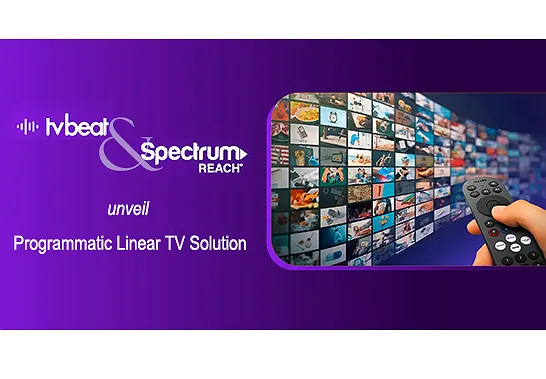
Programmatic Linear Television Is Here!
Although low CPM has been the main driver of digital ad spend’s meteoric growth, the ease and data-first aspect of programmatic has been a strong second factor. For years we’ve urged that television’s ROAS value was constrained by not being programmatic, and we’re thrilled to show that programmatic television at scale is finally a reality.
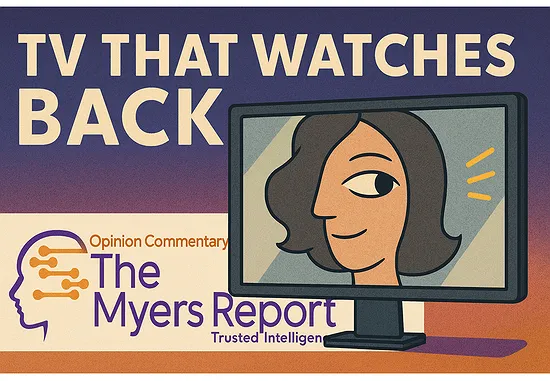
How AI Is Flipping the Script on Discovery, Identity, and the Future of Entertainment
Advertisers who fail to rethink their role as emotional co-creators will get left behind.

The Future of Beauty PR: Where Skincare, Wellness, and Storytelling Meet
The modern beauty consumer no longer views skincare, makeup, and wellness rituals as separate categories. They see them as part of a broader lifestyle that blends health, self-expression, and self-care. This evolution has changed the way brands must communicate. At the center of this change is beauty PR.
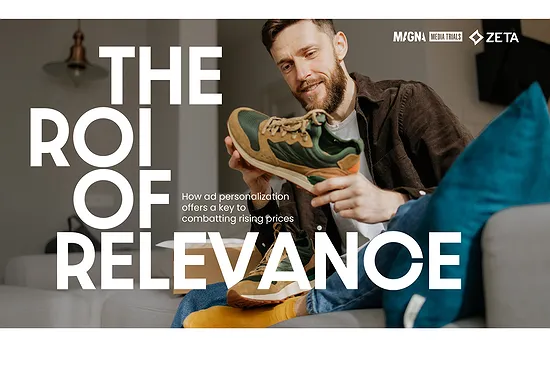
The ROI of Relevance: How Personalization Offers a Key to Combat Rising Prices
Consumers are watching prices more closely than ever. According to new research from Magna Media Trials and Zeta, more than 80% of people across all income levels say price now plays a bigger role in what they buy than it did two years ago. That shift spans everything from groceries and personal care to alcohol and tech.