
MAGNA Media Trials and Warner Bros. Discovery Study Highlights How Shoppable TV Ads Turn Viewers into Buyers
As audiences increasingly stream their favorite shows and movies, TV advertising continues to evolve in bridging entertainment and commerce in new ways. Even as viewers express strong interest in buying products they see on TV, many still find it difficult to take that next step.
2026 Media Buyer Mindset: Decoding the New Decision DNA
Welcome to Chapter 2 of the Myers Report New Rules for Advertising Sales. Chapter 1 described the system; Chapter 2 reveals its operators. The Myers Report 2025 Survey profiles a new generation of buyers and planners whose instincts were forged in uncertainty. They are digital natives of volatility - shaped by pandemic pivots, budget compressions, and algorithmic opacity. Their priorities are less about transactions and more about trust, time, and transformation.

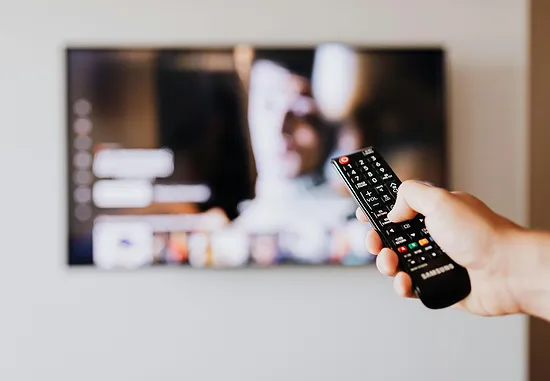
How Publishers Can Reclaim the True Value of Streaming Inventory
A little over a year ago, it was noted that buying streaming advertising isn’t like buying a toaster. Back then, the argument was made that advertisers shouldn’t treat premium video inventory as a simple commodity because unlike toasters, the value of impressions can vary drastically from one another.

From Brand to Business Architecture: Rethinking B2B Brand Strategy
A few weeks ago, over coffee with the ANA’s Executive Vice President and Head of the Brand Practice Stephanie Fierman, we found ourselves talking about what “brand strategy” really means in B2B. Between sips, she said something that stayed with me: Brand strategy is business architecture.

Redefining Media Value: The Human + AI Economy of Attention
The Myers Report New Rules of Advertising Sales - Chapter One. Redefining Media Value: The Human + AI Economy of Attention
Being the Last Pre-AI Generation
Our memory of creation before AI is not nostalgia -- it is sacred responsibility.
The Future of Ad Sales Is Proof, and it is Profoundly Human
From impressions to intelligence: the Proof Era begins now -- and its future is profoundly human.
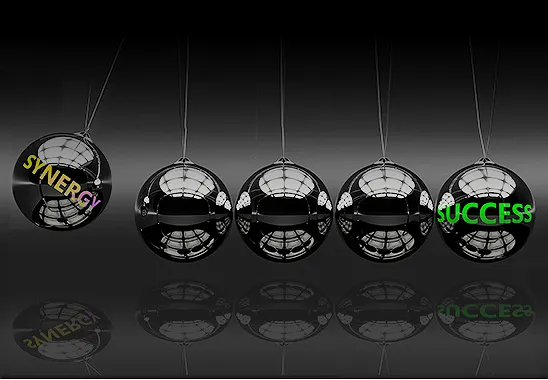
Leverage Media Synergy to Accelerate Efficient Brand Growth
1+1=3. Or sometimes 1+1=4. That is the meaning of synergy. You pay once but get paid back twice or more. Hence, it is efficient to set things up to benefit as much as possible from media synergy. Media synergy is a little-known phenomenon rarely leveraged in media optimization. It is also under-researched, given its economic promise. Here is what we know about media synergy today, and how to research and leverage it better in 2026.

The 2025 Video Advertising Marketplace Report: Trust, Transparency, and the Human Edge
How agency perspectives are reshaping video sales strategy in an era of automation and AI
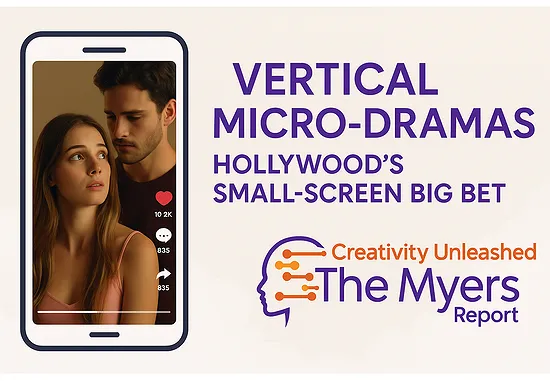
Vertical Micro-Dramas -- Hollywood’s Small-Screen Big Bet
Inside MicroCo’s Bid to Bring Hollywood Craft and AI Efficiency to the Booming World of Vertical Micro-Dramas
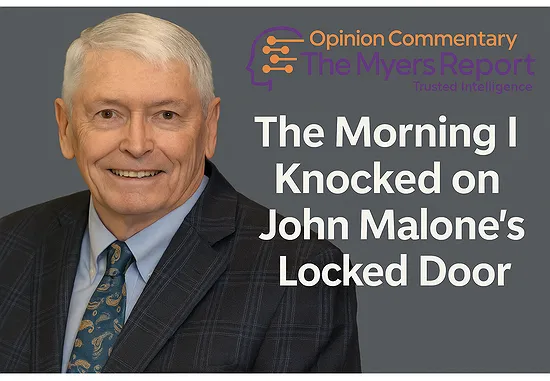
The Morning I Knocked on John Malone’s Locked Door
How a young executive, two cable titans and a snowbound Denver morning became the launchpad for a lifelong strategy.
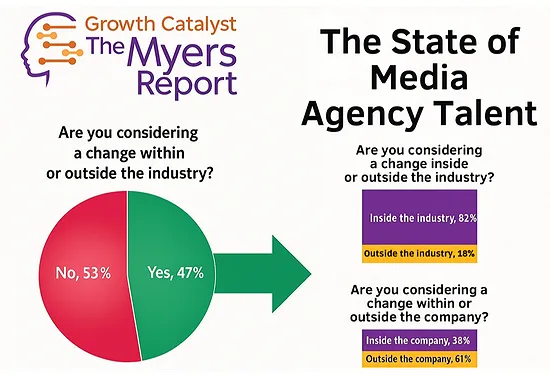
State of Media Agency Talent -- Growth, Satisfaction, and Retention in Transition
The 2025 Myers Report Survey of Advertising Professionals captures the evolving perceptions and workplace realities of agency professionals across the advertising and media ecosystem. Respondents represent a balanced cross-section of industry veterans and emerging talent -- from strategists and planners to programmatic specialists and data analysts. As the advertising business continues to modernize under the pressures of automation, AI, and hybrid work, this study reveals a nuanced landscape: professionals remain deeply invested in their careers, yet many express disillusionments with organizational support and growth pathways.
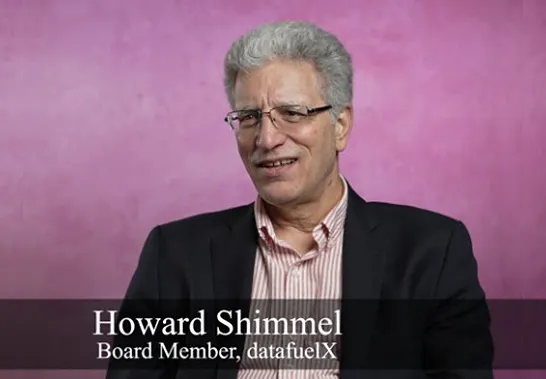
Howard Shimmel: The Dollar Value of Stability
When I brought forward set-top box data in the 90s, the two main reasons for it were stability and addressable commercials. These are the same reasons why the industry asked Nielsen to add big data to its panel, which was turned on this year.
Who Owns the Mind and IP of the Machine?
The future of creativity will not be written in contracts or code; it will be shaped in conscience.
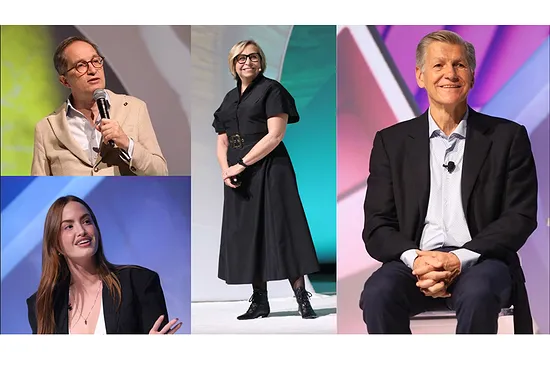
May the Agentic Force Be With You: What the ANA Masters Inspired Me to Build
It was on Day 2 of the ANA Masters when I stumbled upon the most unique activation of the conference - it was a perfumery powered by camphouse, where an AI perfume agent used a smart algorithm to study my preferred parfum of the day -- notes I love, moments I chase, experiences I crave -- and blended a scent that felt uncannily “me.” It was a tiny act of co-creation: my intent, its inference, and then a sensorial outcome. Leaving with my parfum gift box (a trio I can reorder) I realized I didn’t want to create yet another conference recap; I wanted something I could use every day -- an Agent that would keep me masterful today, tomorrow, and the day after tomorrow as Peter Hinssen urged us to do.

![[WEBINAR] Navigating the AI Era: Consumer Trends, Paid Advertising, and Organic Search](/media/articles/image-cover-1761308380067.550x381_q85_box-0%2C129%2C650%2C580_crop_detail.png.webp)
[WEBINAR] Navigating the AI Era: Consumer Trends, Paid Advertising, and Organic Search
AI-powered platforms rapidly alter how people get information, answer questions, and make purchases.

From Fragmented Screens to Unified Buys: Modern Solutions for Premium Video Advertising
It’s no secret that the rapid growth of non-linear video viewing—first among 18-34-year-olds and now increasingly among older demographics—has led to a highly fragmented media landscape. Audiences are spending significant time watching video on smartphones, tablets, and computers, with younger adult groups stabilizing at around six hours per week and older groups catching up. [My consulting client, Nielsen, passively captures this non-TV set video viewing via meters and ad tags, making comparable-metric demo comparisons across screens possible.]
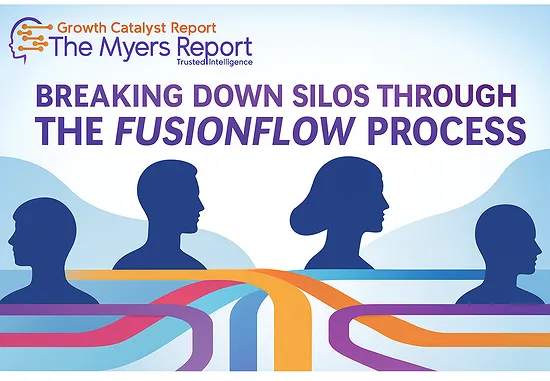
Breaking Down Corporate Silos Through the FusionFlow Process
If your company still has silos, it has no future.
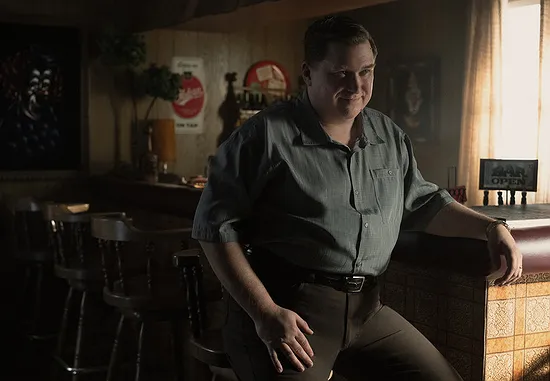
How Peacock’s “Devil in Disguise: John Wayne Gacy” Reclaims the True Crime Narrative for Victims
Showrunner Patrick Macmanus and stars Michael Chernus and Gabriel Luna explore how Peacock’s true-crime drama reframes the John Wayne Gacy story through empathy, justice, and truth.
